Mitochondrial Adaptation:
Why HIIT and Low-Intensity Training Are Better Together
The science of energetic stress, PGC-1α signaling, recovery, and how to structure your workouts for superior metabolic health, insulin sensitivity, and fat oxidation.
Your mitochondria are not passive passengers in your body. They are dynamic, responsive power plants that constantly adapt based on the signals you send them through exercise, recovery, nutrition, and even the time of day you train.
The central truth emerging from exercise physiology research is this: mitochondrial adaptation is driven by energetic stress + adequate recovery, not by effort or duration alone. Simply “working out hard” or logging long slow miles is not enough. The quality, timing, and context of the stress signals matter enormously.
Key Insight
HIIT and low-intensity steady-state (LISS) training are not competing methods — they are complementary tools. HIIT raises your metabolic ceiling and rapidly improves insulin sensitivity. Low-intensity training builds the efficient foundation and recovery capacity that makes those high-intensity adaptations sustainable.
In This Article
- The Master Regulator: PGC-1α
- HIIT vs Low-Intensity Training
- Mitochondrial Dynamics
- Improving Fat Oxidation
- HIIT’s Rapid Impact on Insulin Sensitivity
- VO2 Max: Two Different Paths
- Recovery: The Deciding Factor
- How to Structure Your Training Week
- Nutrition Timing
- Practical HIIT Protocols
The Master Regulator: PGC-1α
Mitochondrial adaptation does not occur simply because you exercise. It occurs when your cells experience energetic stress that activates specific signaling pathways. The central integrator of these signals is the protein PGC-1α (peroxisome proliferator-activated receptor gamma coactivator 1-alpha).
PGC-1α acts like a cellular CEO. It receives input from multiple sources and decides whether to build new mitochondria, improve the efficiency of existing ones, or slow down activity to protect the cell.
• Energy depletion (rising AMP/ATP ratio)
• Calcium flux from intense muscle contractions
• Oxidative stress (low levels of ROS act as signals)
• Hormonal input (adrenergic signaling)
HIIT vs. Low-Intensity Training: Complementary Forces
High-Intensity Interval Training (HIIT) and low-intensity steady-state exercise create very different stress signatures inside the cell — and therefore produce different adaptations.
| Metabolic Outcome | HIIT Mechanism | Low-Intensity (Zone 2) |
|---|---|---|
| Mitochondrial Quantity | Strong increase via PGC-1α spikes | Modest improvement in efficiency |
| Mitochondrial Quality | Improved respiratory capacity | Enhanced enzyme function & fat use |
| Fat Oxidation | Increases total capacity to burn fat | Improves fat utilization during exercise |
| Insulin Sensitivity | Rapid, powerful improvements | Steady, moderate improvements |
| VO2 Max Contribution | Increases stroke volume & delivery | Improves peripheral oxygen extraction |
| Best Role | 1–3 sessions/week for ceiling | Daily foundation for efficiency |
HIIT creates sharp spikes in PGC-1α through massive calcium release, a rapid rise in AMP/ATP ratio, and controlled reactive oxygen species. These signals tell the cell it needs more power and better capacity.
Low-intensity training imposes a steady, sustainable metabolic demand. This improves mitochondrial efficiency and the cell’s ability to use fat as fuel.

HIIT creates powerful, short-duration stress signals that drive mitochondrial biogenesis and rapid insulin sensitivity improvements.
Mitochondrial Dynamics: Fusion & Fission
Mitochondria constantly undergo fusion (merging) and fission (splitting). This dynamic process is essential for metabolic health.
HIIT particularly enhances these dynamics. Fusion allows mitochondria to share resources and repair dysfunction, resulting in a more resilient energy network.
Science Spotlight
Low levels of reactive oxygen species (ROS) generated during exercise act as important signaling molecules. Over-supplementing with antioxidants immediately after training can blunt these beneficial adaptations.
Improving Fat Oxidation Through Different Mechanisms
Both HIIT and moderate continuous training improve maximum fat oxidation, but through different mechanisms:
- Low-intensity training acts as direct “practice” — mitochondria become more efficient at using fat during the session.
- HIIT expands total mitochondrial respiratory capacity and enzyme content, increasing the system’s overall ability to burn fat.
HIIT’s Rapid Impact on Insulin Sensitivity
One of the most valuable findings is that HIIT can significantly improve insulin sensitivity and glucose handling very quickly — often before major mitochondrial adaptations occur.
VO2 Max: Two Different Physiological Paths
Both forms of training improve VO2 max, but they target different components:
- HIIT primarily increases stroke volume and maximal oxygen delivery.
- Low-intensity training improves peripheral oxygen extraction through better capillarization and mitochondrial efficiency.
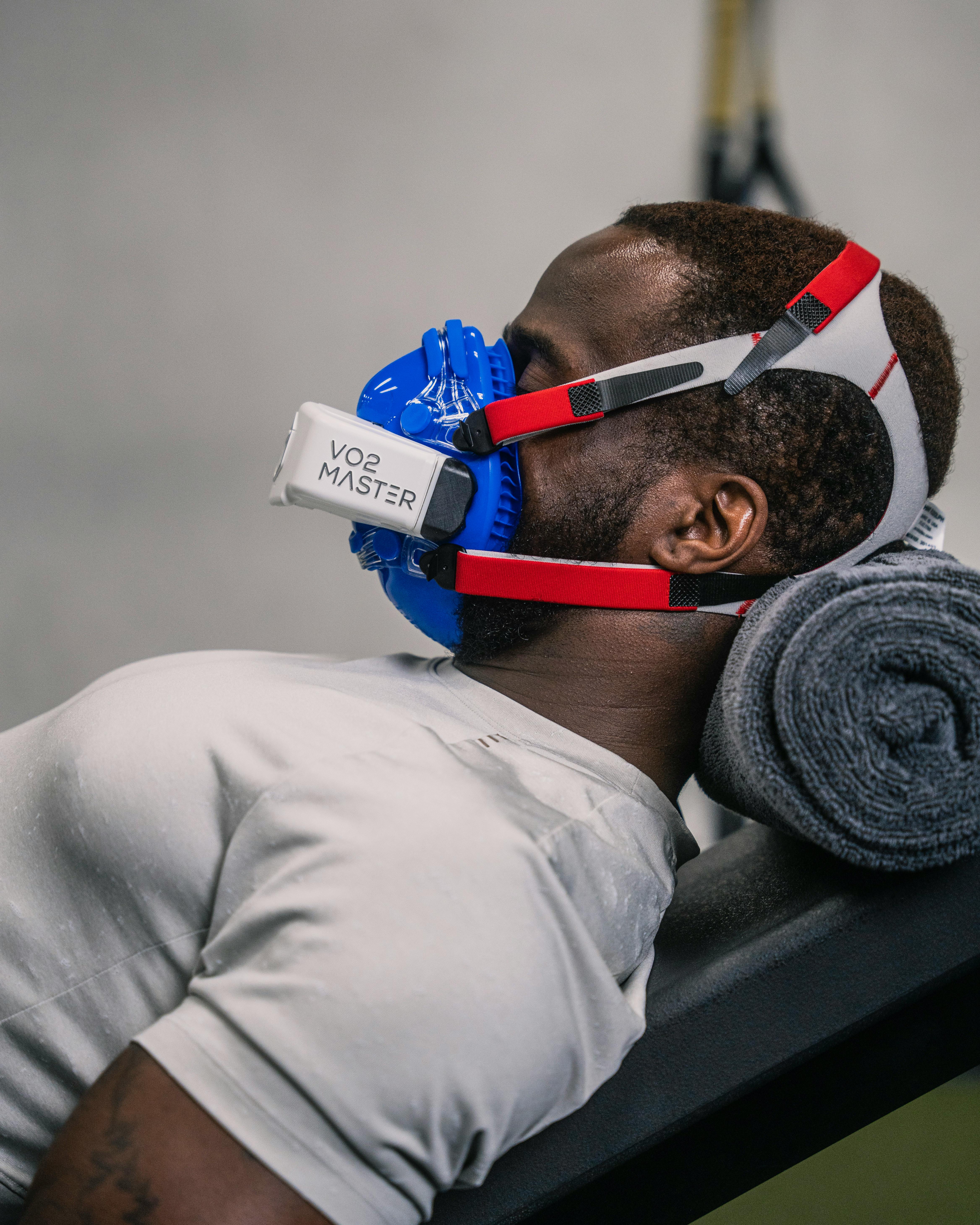
Low-intensity steady-state training builds the metabolic foundation and recovery capacity that makes HIIT sustainable.
Recovery: The Deciding Factor in Adaptation
This is the most important and most overlooked principle: The effectiveness of exercise signals depends entirely on recovery capacity.
Without adequate recovery, the same HIIT session that should trigger adaptation can instead create prolonged stress that slows mitochondrial function and increases fatigue.
Important Caution
Unbalanced emphasis on HIIT without a solid foundation of low-intensity movement and recovery can lead to burnout and stalled progress. Mitochondria adapt best to stimuli that feel “safe to repeat.”
How to Structure Your Training Week
Low-Intensity Movement
- Zone 1–2 walking or easy cycling
- Builds mitochondrial efficiency
- Supports nervous system recovery
- Should form most of your weekly volume
HIIT Sessions
- 1–3 sessions per week maximum
- Best performed earlier in the day
- Prioritize full recovery between intervals
- Never build your program around HIIT alone
Nutrition Timing to Support Adaptation
Consume 15–20g of carbohydrate shortly after HIIT. This supports recovery signaling and reduces excessive cortisol without harming fat loss goals.
Delay antioxidant-rich foods and supplements for at least 2 hours after exercise to allow beneficial ROS signaling to occur first.
Practical HIIT Protocols That Work
The key principle is maximal effort during work intervals paired with sufficient recovery to maintain quality across the session.
4 minutes hard effort (RPE 8–9) → 3 minutes easy recovery. Repeat 4 times.
Exceptionally well-studied for VO2 max and mitochondrial adaptations.
Descending work intervals (4 min → 3 min → 2 min → 1 min) with full recovery between each.
Infrared saunas can provide a controlled oxidative stress signal that supports mitochondrial adaptation, similar to exercise. Useful on rest days or when high-intensity training isn’t possible.
Key Conclusions
Your Action Plan
- Add one quality HIIT session
- Build a daily low-intensity base
- Schedule HIIT earlier in the day
- Prioritize sleep and monitor motivation
- Take 15–20g carbs after HIIT
- Wait 2+ hours before antioxidants
Frequently Asked Questions
Can I do HIIT every day?
No. Most people recover best with 1–3 HIIT sessions per week. Daily high-intensity work without adequate recovery often leads to stalled progress or regression.
Should I avoid carbs after HIIT if fat loss is my goal?
A small amount (15–20g) of carbohydrate post-HIIT supports recovery signaling and reduces excessive cortisol without meaningfully impacting fat loss.
Is Zone 2 training a waste of time if I’m already doing HIIT?
Quite the opposite. Zone 2 builds the mitochondrial efficiency and recovery capacity that makes your HIIT sessions more productive and sustainable long-term.
References
- Zoladz JA, et al. (2022). Endurance Training Increases the Running Performance of Untrained Men without Changing the Mitochondrial Volume Density in the Gastrocnemius Muscle. International Journal of Molecular Sciences. https://www.mdpi.com/1422-0067/23/18/10843
- Li Y, Zhao W, Yang Q. (2025). Effects of high-intensity interval training and moderate-intensity continuous training on mitochondrial dynamics in human skeletal muscle. Frontiers in Physiology. https://www.frontiersin.org/journals/physiology/articles/10.3389/fphys.2025.1554222/full
- Yin M, et al. (2023). Chronic High-Intensity Interval Training and Moderate-Intensity Continuous Training are Both Effective in Increasing Maximum Fat Oxidation During Exercise in Overweight and Obese Adults: A Meta-Analysis. Journal of Exercise Science & Fitness. https://www.researchgate.net/publication/373550106
- Milanović Z, Sporiš G, Weston M. (2015). Effectiveness of High-Intensity Interval Training (HIT) and Continuous Endurance Training for VO2max Improvements: A Systematic Review and Meta-Analysis of Controlled Trials. Sports Medicine. http://link.springer.com/article/10.1007/s40279-015-0365-0
- Chavanelle V, et al. (2017). Effects of high-intensity interval training and moderate-intensity continuous training on glycaemic control and skeletal muscle mitochondrial function in db/db mice. Scientific Reports. https://pmc.ncbi.nlm.nih.gov/articles/PMC5427962/
- Related research article on mitochondrial adaptation and exercise signaling. https://pmc.ncbi.nlm.nih.gov/articles/PMC9219277/
Ready to train smarter?
Mitochondrial health is built through intelligent stress + intentional recovery. Start this week by adding one strategic HIIT session on top of your daily movement foundation.
This article is for educational purposes. Always consult a physician before beginning new exercise programs.

No comments:
Post a Comment