Tahini: The Superfood That Makes Hummus Look Like a Joke
Science-backed benefits for testosterone, blood sugar, heart health, and more — from just 1–3 tablespoons a day.
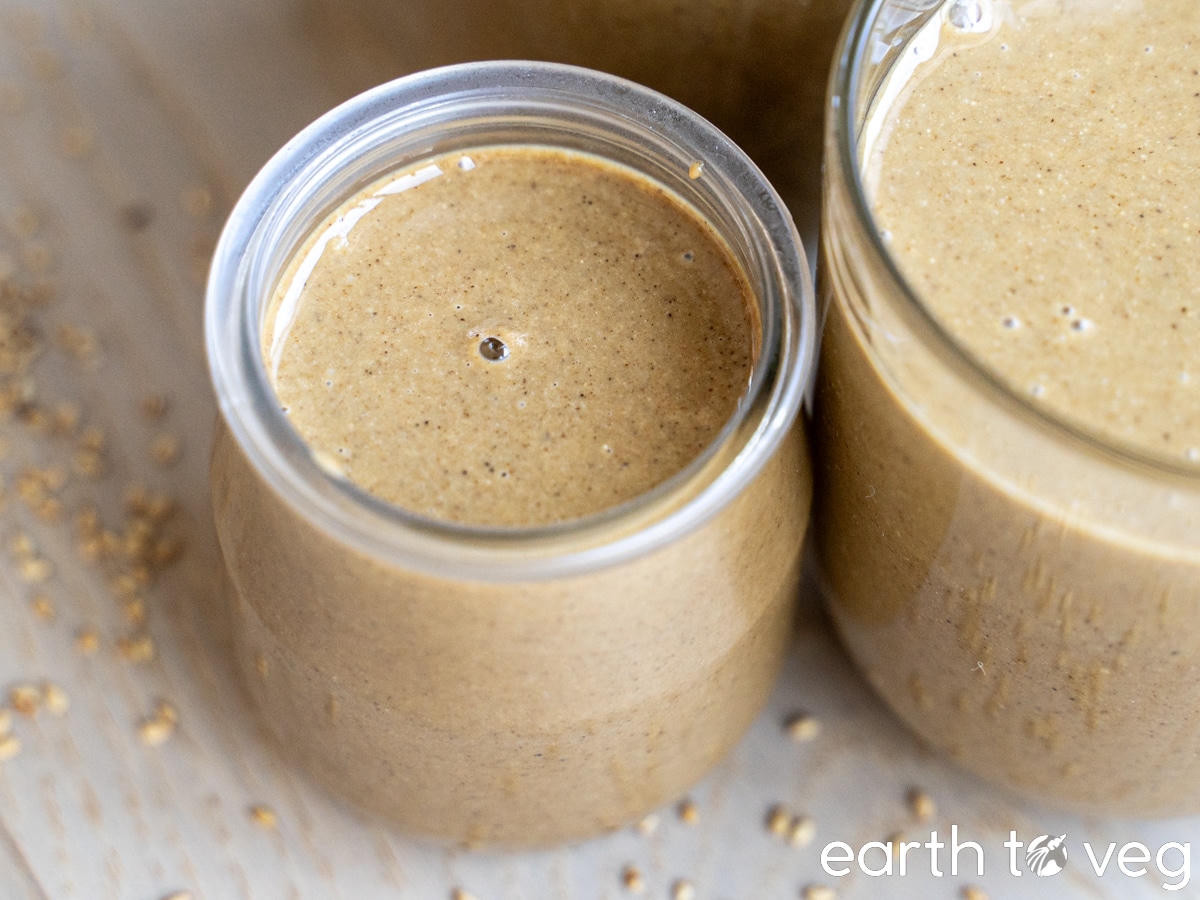
Pure tahini made from 100% hulled sesame seeds — the foundation of its benefits.
If you think hummus is the pinnacle of sesame-based foods, prepare to have your mind changed. Tahini — the smooth, creamy paste made from ground hulled sesame seeds — is emerging as a true nutritional powerhouse backed by human clinical trials.
Just one to two tablespoons daily has been shown in studies to:
This simple Middle Eastern staple has been around for thousands of years. Modern research is finally explaining why it deserves a permanent spot in your kitchen.
Here’s what the human data actually shows.
The Testosterone Connection:
How Sesame Lignans Help Free Your Natural T
As men age and body fat increases, the enzyme aromatase ramps up, converting more testosterone into estradiol. While some estrogen metabolites are protective, others are proliferative and problematic.
Sesame lignans (particularly sesamin and sesamolin) found in tahini help shift estrogen metabolism toward the beneficial pathways and away from the harmful ones. This reduces the suppressive effect estrogen can have on testosterone production.
A study in male rats found that sesame oil supplementation increased plasma testosterone in a dose-dependent manner. It also significantly increased Leydig cell counts — the very cells responsible for producing testosterone.
By lowering estrogen receptor load and optimizing metabolite ratios, tahini helps liberate your body’s natural testosterone production from estrogen-mediated suppression.
Why tahini beats whole sesame seeds here: Grinding the seeds breaks down the tough hull that limits lignan bioavailability. Many people don’t chew sesame seeds thoroughly enough when they’re sprinkled on buns or in stir-fries. Tahini does the work for you — it’s already perfectly pureed and ready for maximum absorption.
Tahini for Blood Sugar:
Two Human Studies Show Real Results
In Healthy Men
A 2021 study published in European Food Research and Technology had 20 healthy men consume 50g of tahini (about 3 tablespoons). Researchers tracked blood markers over several hours and found:
- Plasma glucose was significantly lower at 1, 3, and 4 hours post-consumption
- A trend toward higher total phenolic content in the blood (indicating the antioxidant compounds from tahini were absorbed and circulating)
The researchers concluded that tahini could be a smart addition to breakfast or as a snack replacement.
In People with Type 2 Diabetes
Another study tested tahini specifically in patients with controlled type 2 diabetes (on stable medication but not insulin). Participants ate either:
- Two slices of bread + 50g tahini, or
- A control meal of bread + margarine and cheese (calories and macros matched)
Systolic blood pressure rose after the control meal but did not rise after the tahini meal. Flow-mediated dilation improved with the tahini meal.
Researchers noted that a meal containing tahini exhibits cardioprotective effects in type 2 diabetics.
39% Drop in Cardiovascular Risk Marker — From Tahini at Breakfast
This is where it gets really exciting.
A randomized controlled trial took 41 people with type 2 diabetes and split them into two groups for six weeks:
For a dietary intervention this simple, tasty, and inexpensive, a 39% reduction in a key heart disease risk marker is genuinely impressive. It underscores the power of real food — it’s not just about calories.
Tahini Lowers Blood Pressure and Improves Artery Function
Even in healthy people, tahini delivers vascular benefits.
A 2022 study in the Journal of Human Hypertension gave 20 healthy participants 50g of tahini after a 12-hour fast. Four hours later, researchers measured:
This was the first study to demonstrate that tahini consumption can lower blood pressure and improve endothelial function in healthy individuals.
How to Choose Quality Tahini + Easy Ways to Use It
Not all tahini is equal. Here’s what matters:
- • Ingredients: Hulled sesame seeds (and maybe sesame oil or olive oil for texture)
- • Avoid: Sunflower oil, canola oil, or other added vegetable oils
Sesame’s natural antioxidants (sesamin and sesamolin) give it a naturally stable fatty acid profile.
2–3 tablespoons per day. Taking it earlier in the day (especially with breakfast) appears particularly beneficial.
Looking for a high-quality, single-ingredient tahini with no added oils? This is one of the cleanest options available:
Shop on Amazon AFFILIATE LINK* I may earn a small commission if you purchase through this affiliate link. Thank you for your support!
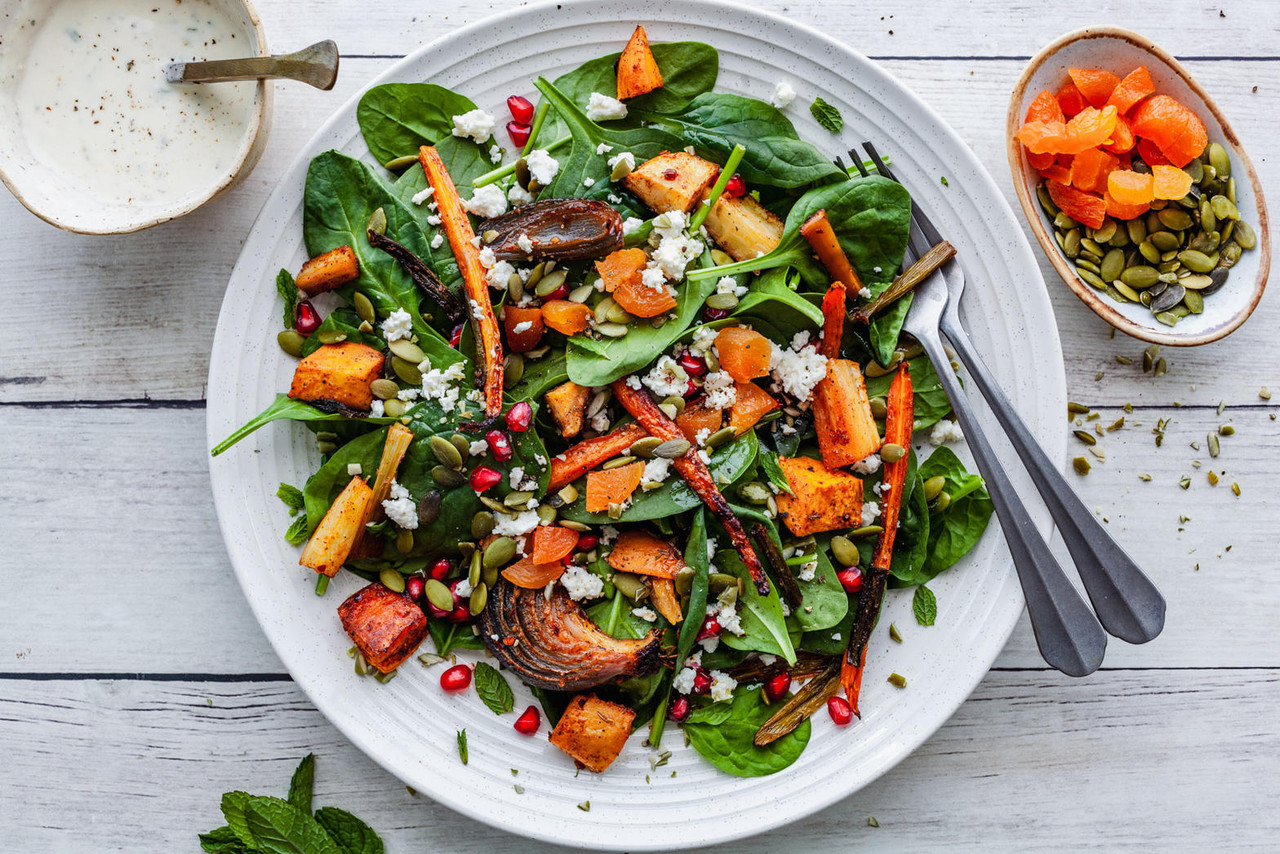
Roasted vegetable salad with tahini drizzle — one of the easiest ways to enjoy it daily.
- 1. Your gut microbiome matters. Gut bacteria convert sesame lignans into their active forms. Support diversity with vegetables, soluble fiber, fermented foods, and kefir.
- 2. For synergistic estrogen modulation, pair tahini with cruciferous vegetables (broccoli, cauliflower, Brussels sprouts). The combination works on estrogen pathways from two directions.
- 3. For extra insulin resistance support, consider pairing with a small amount of blackstrap molasses.
The Bottom Line
Tahini isn’t just a condiment or hummus ingredient — it’s a concentrated, bioavailable source of sesame lignans with clinically demonstrated effects on:
It’s affordable, versatile, has been safely consumed for millennia, and tastes great. In a world obsessed with exotic superfood powders and expensive supplements, sometimes the most powerful upgrades are already sitting in the pantry — or should be.
Start with 1–2 tablespoons tomorrow morning and build from there. Your future self (and your lab work) might thank you.